HOW DID A SOMEONE FROM A SMALL VILLAGE IN OXFORDSHIRE JOIN MANCHESTER CITY?
It’s true that here weren’t many scouts around in my neck of the woods, but I got spotted playing for a local boys’ team and was invited to Newcastle United for a three-month trial after leaving school. Unfortunately I just couldn’t settle in the north east. I was like a fish out of water, to be honest.
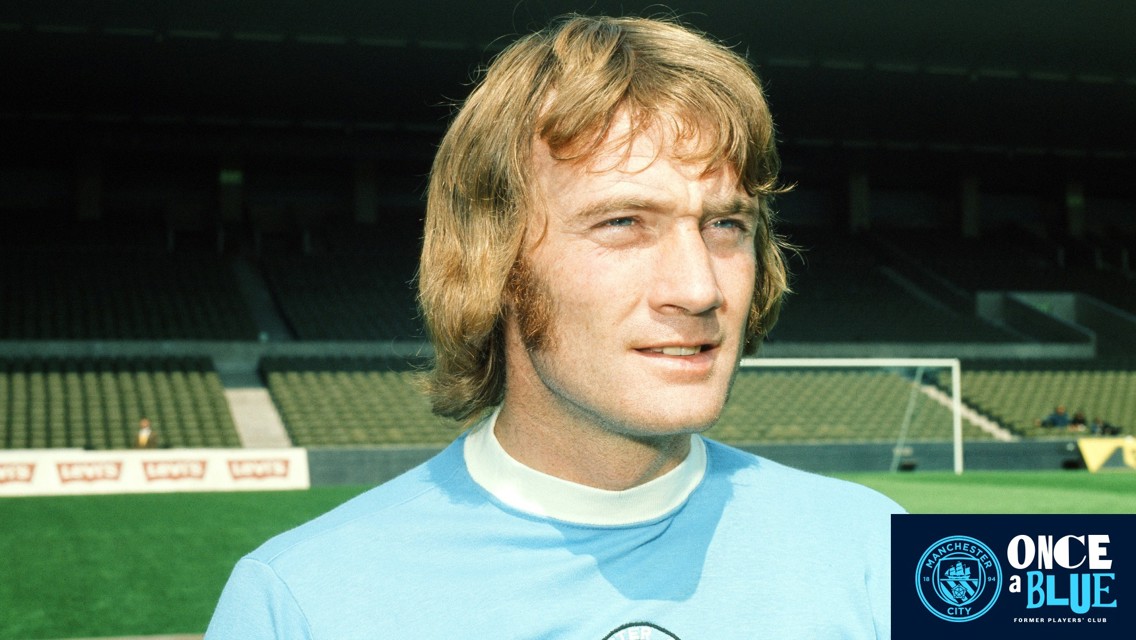
So it was a really nice gesture from the people at Newcastle to get in touch with Aston Villa on my behalf in the hope that I could find a club closer to home. Joe Mercer, who of course was to later to become a City legend, was the manager at the time. He spotted something he liked in me and I signed as an apprentice for Villa in 1961. I always felt valued under Joe.
After helping Villa win the Central League championship, I actually broke into the first team towards the end of the 1964-65 season. When I reported back for pre-season training a few months later, I suddenly got told that my dream of pursuing a career in football were over. According to the medical staff who put me through my paces for an annual medical, I was suffering from blood pressure problems. Villa cancelled my contract and, as you would imagine, I was absolutely devastated.
When I returned home to Oxford, I underwent more medical checks and was told there was absolutely nothing wrong with me. Rather than get angry, I wrote to Joe Mercer, who had been sacked by Villa and was now manager of City. I got straight to the point, telling him that I’d now had the all-clear and asking whether he would be interested in signing me.
Joe invited me up to Maine Road for a month - and within a few weeks I made my debut (against Leicester City) in the League Cup and was given a contract. City rescued my career and I’ll always be grateful to the Club and to Joe Mercer.
WHAT KIND OF CLUB DID YOU FIND IN THE SUMMER OF 1965?
I didn’t realise before I signed for City just how good the team that Joe and Malcolm Allison were building actually was. I soon found out they had some unbelievable players, like Mike Summerbee, Neil Young, Mike Doyle, Alan Oakes and Glyn Pardoe. They has been in the shadows for a few years until Joe and Malcolm arrived, but this was the start of a golden era for the Club. I didn’t get to experience every moment of success, but I’m grateful for what did happen to me after the disappointment of being released by Villa.
We went on to win the second division title in my first season and I was a regular in the team. I also kept my place for or most of the following season in the first division.. Our return to the top-flight was a bit of a struggle because the team was still developing, but there were signs that something special was starting to take shape.
We reached the quarter-finals of the FA Cup in 1966, losing to Everton after a second replay, and again the following year when we were unlucky to lose to Leeds. Both of those teams were very successful around that time, but we really pushed them all the way.
Then came the title-winning season of 1967/68. Unfortunately I suffered a bad Achilles tendon injury and only made five appearances that year, which meant I wasn’t eligible for a medal. It was a blow, but a few other players were in the same situation as me, so we all just got on with it and didn’t really dwell to much on how unfair it was. As far as I’m concerned, if you play for just a few seconds in a team that wins the title then you have made a contribution.
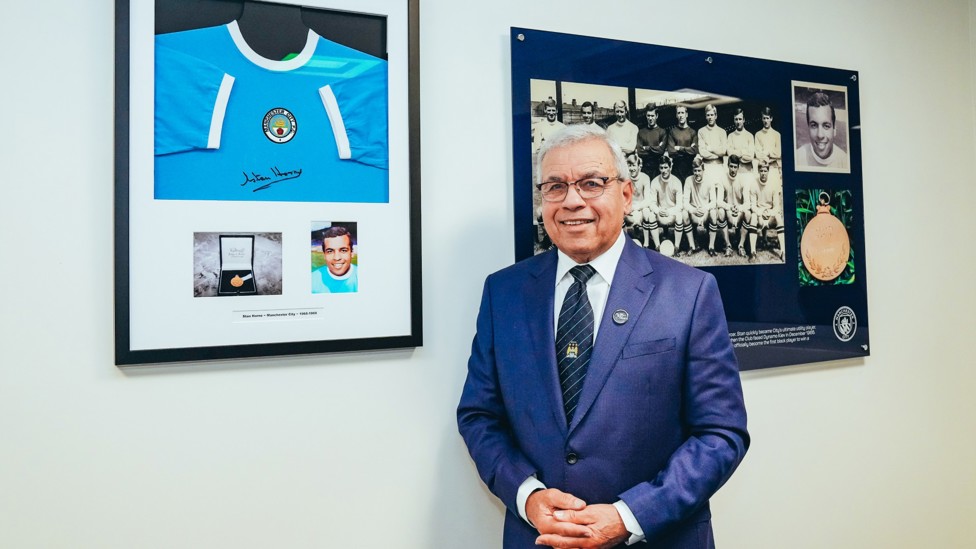
HOW PROUD WERE YOU TO BE AWARDED A TITLE MEDAL RETROSPECTIVELY IN 2021?
I think the EFL did the right thing in changing the criteria. Being introduced to the crowd at the Etihad before a game against Burnley and then being presented with a title medal, was a dream come true. Of course, I was pleased for myself. I treasure the medal. But I was even more pleased for my family. I will never forget the joy they had on their faces.
I really can’t thank the Club enough for the work they did making sure myself, Bobby Kennedy and the family members representing Harry Dowd and Paul Hince were finally recognised as champions we always knew we were. I know a lot of clubs wouldn’t have gone that extra mile like City did. But they are a family club who look after people. It’s a unique Club, I can tell you that.
YOU WERE ONE OF ENGLISH FOOTBALL’S FIRST BLACK PLAYERS. DID YOU FEEL LIKE A PIONEER?
There weren’t many black players in the Football League and those of us who had broken through were perhaps seen as a bit of a novelty. I am so pleased to see so many black footballers in the game today.
But I certainly didn’t feel different. I was also treated the same as everyone else at City. I am often asked if I was abused by fans, but it was opposition players who insulted me the most because I used to like a tackle and they’d try to put me off my game. That only made me tackle a little bit harder!
I think it helped that we played at Maine Road, in Moss Side, because even back then it was a multi-cultural area of Manchester and so I felt at home. Abuse didn’t bother me anyway, because I’d got used to that kind of thing when I was growing up.
I didn’t feel like a pioneer at the time, but hopefully I helped in some small way to bring down some barriers. In fact, the only time it was mentioned was many years later when I was asked about being the first black player for both City and Fulham. For many years, I also thought I was the first black player to play for Aston Villa until they discovered someone who from the 1880s.
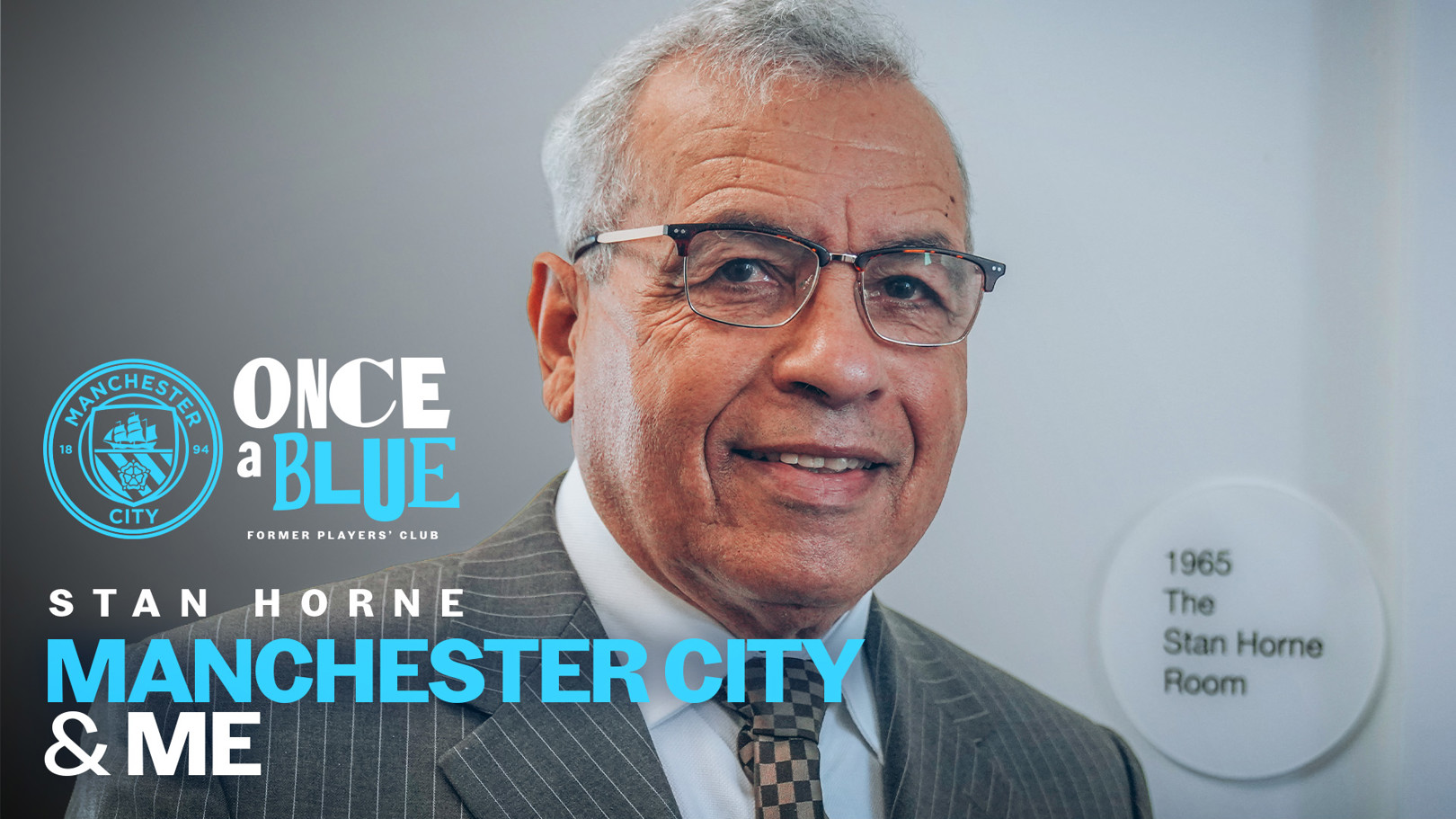
I now have a classroom at the CFA named after me, which is a huge honour given that young players might learn about my time at City. My attitude is that someone had to be the first black player - and it just happened to me.
TELL US ABOUT YOUR TIME AT FULHAM
I was a bit apprehensive about leaving City to move to Fulham, but Joe Mercer had made it clear to me that my chances of first-team football would be limited if I stayed because there was no way he could leave Mike Doyle out of the team. Once again, I appreciated Joe’s honesty.
Bill Dodgin, the Fulham manager, had been a team-mate of Joe’s at Arsenal. When I spoke to Bill and he gave me assurances that I would play regularly, my mind was made up.
Once again I was joining a club that had a lot of good players. Johnny Haynes was still playing. There was George Cohen, Alan Mullery and Cliff Jones. Yet we were second-bottom of the old second division table with four or five games to go - and we ended up getting relegated. We were promoted the very next season. We played second-placed Preston at home needing just a draw to be crowned champions. Typically, we lost the game. Looking back now, I could have had championship medals from the first, second and third divisions!
A few Fulham players then left to go on to bigger and better things. Vic Halom won the FA Cup with Sunderland, while Malcolm Macdonald played for Newcastle and Arsenal. Malcolm was was a defender at Craven Cottage, yet he went on to score five times in one game as a centre-forward for England when they played Cyprus at Wembley!
WHAT CAME AFTER FULHAM?
I spent a season with Chester in 1973-74 before going to the United States for a year with Denver Dynamos. Then I returned to England for a season with Rochdale.
I didn’t know what my life was going to be after football when I was asked by my old Fulham team-mate Wilf Trantor if I fancied setting up a building renovations company with him. Wilf was a Manchester lad and we made a success of things before he was tempted back into the game by the offer of a coaching role. I took on the building company and it went from strength to strength.
YOU ARE NOW HEAVILY INVOLVED WITH THE ‘ONCE A BLUE - MANCHESTER CITY FORMER PLAYERS’ CLUB?
That’s right. I will be 82 next month, but I still like keeping busy. I’m in my third year on the ‘Once A Blue’ committee and the way it has been developed under the guidance of Ian Brightwell, David White and Paul Lake in recent times is nothing short of wonderful.
Our remit is the same as it was when the former players’ association was first launched - to try to look after any former City players who may have fallen on hard times or are in need of help for whatever reason.
But it has all gone to another level, raising money for charity and arranging functions and occasions so that we can at least try to make a difference to peoples’ lives. Back in my day, we didn’t earn the kind of money that players get now. That’s not a criticism. It’s a fact of life. So players from the past can find it difficult to cope.
We have helped with funeral arrangements and things like that. It’s tremendous what goes on and I get a lot of satisfaction from being told at the regular meetings we have that we have been able to help people who contributed to Manchester City in some way. That’s what we’re there for, of course, but it does make you feel good.
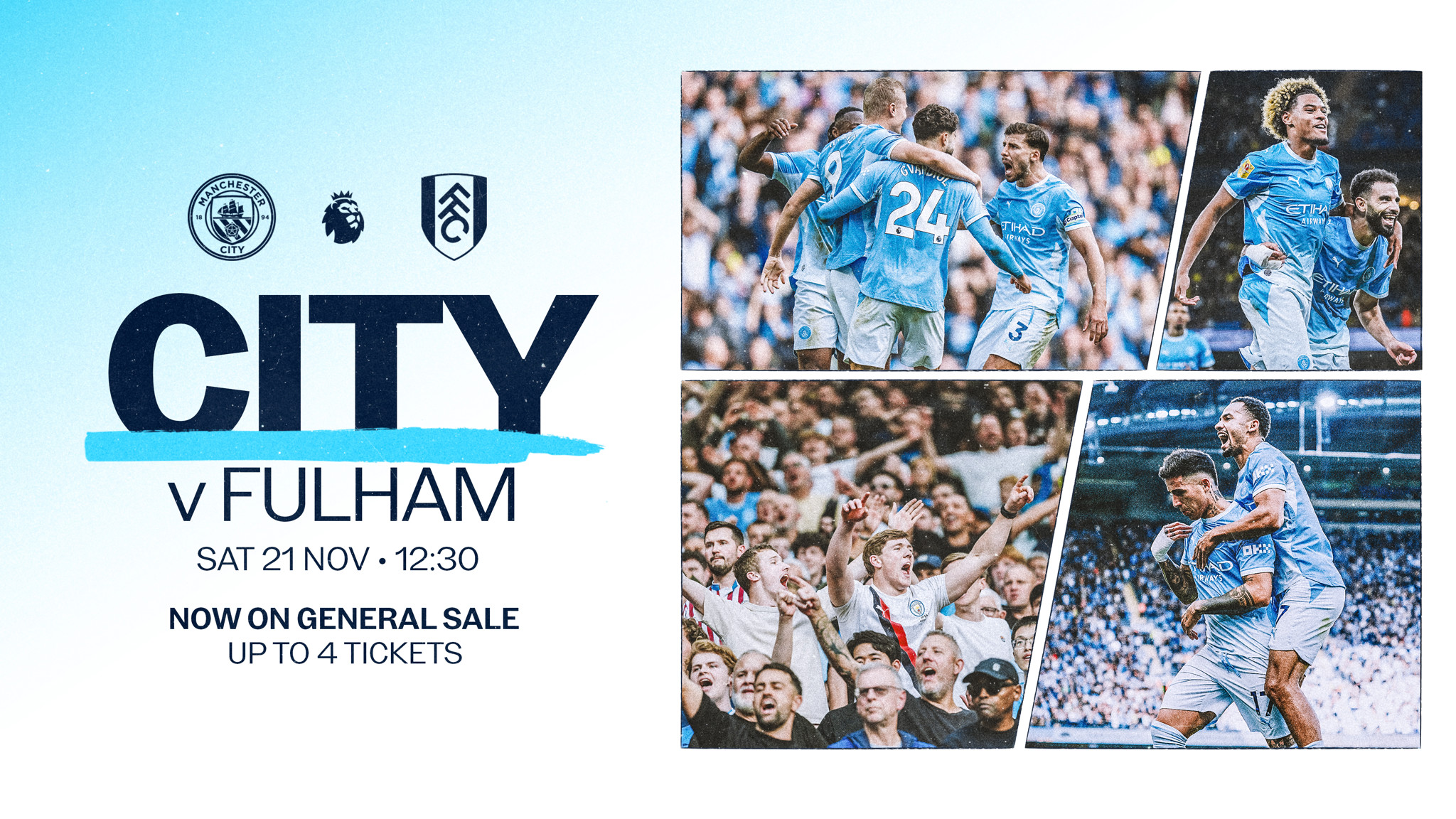
City v Fulham: Tickets on general sale
Don’t miss out on our Premier League clash against Fulham with tickets now on general sale.
The game between the Blues v the Cottagers takes place at the Etihad Stadium on Saturday 21 November with a 12:30 (UK) kick-off.
Enzo Maresca’s men had an unblemished record on home soil – four wins from four games - in the Premier League before the frustrating tight loss to Brighton last time out.
So the players will be eager to return to winning ways when Álvaro Arbeloa’s Londoners head to Manchester for this one.
Supporters can purchase up to four tickets – with three additional for Season Ticket Members!
Meanwhile, hospitality is available from just £130 in City Hall, housed within our new Pep Guardiola Stand.
But there’s a range of packages available to suit all needs, whether a special occasion for a loved one or for something professional for clients.